
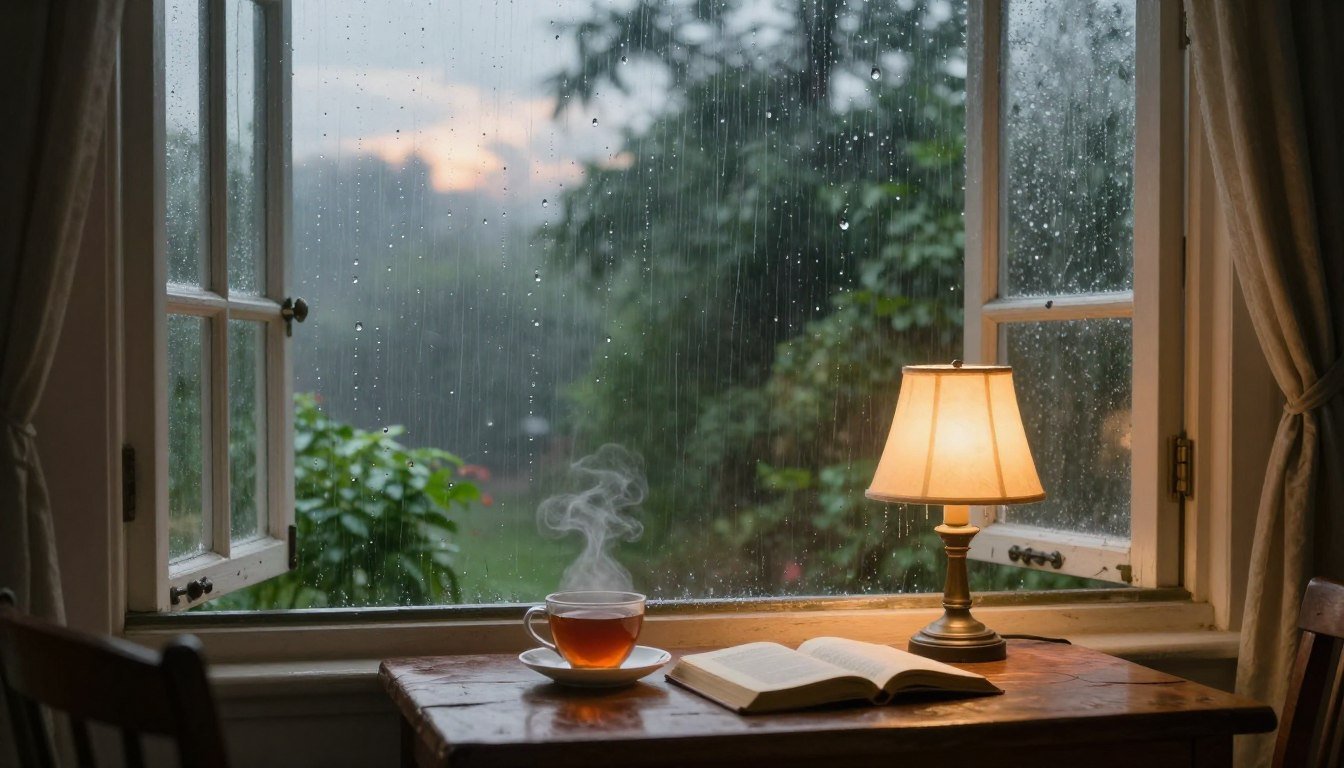
بارش ہوئی تو گھر کے دریچے | BarsH Hui To Ghar Ke Dreechay
When the clouds finally break in Pakistan, something magical happens. The air gets cooler, and the smell of wet earth fills the air. It’s a sign that our daily lives are about to change.
We often stop and look out the window. We watch as the world changes under a gray sky.
BarsH Hui To Ghar Ke Dreechay is more than just words. It’s a feeling of deep nostalgia. It connects our inner peace to the beauty of the monsoon season.
As rain hits the glass, our homes become warm and peaceful places.

بارش ہوئی تو گھر کے دریچے | BarsH Hui To Ghar Ke Dreechay
This season makes us slow down and enjoy life’s simple pleasures. Whether it’s sipping hot tea or listening to the storm’s rhythm, the atmosphere is perfect for reflection. Embracing these moments helps us find beauty in the quiet of a rainy afternoon.
Key Takeaways
- The monsoon season in Pakistan brings a distinct sense of peace and nostalgia.
- Rainy weather transforms our homes into cozy, reflective sanctuaries.
- The sound of rain serves as a natural invitation to slow down and practice mindfulness.
- Connecting with nature from the comfort of our windows enhances our emotional well-being.
- Simple rituals, like enjoying tea, amplify the joy of a rainy day.
The Sensory Symphony of Monsoon in Pakistan
The monsoon in Pakistan turns the landscape into a living masterpiece. As summer’s heat fades, coolness brings life to the plains and hills. This change makes rain at home a special experience, turning spaces into peaceful sanctuaries.

A cozy living room scene on a rainy day, with soft, warm lighting casting gentle shadows. In the foreground, a large window showcases raindrops sliding down the glass, framed by draped curtains that flutter slightly with the breeze. On a nearby table, a steaming cup of tea sits next to an open book, inviting warmth and comfort. The middle ground features a comfortable sofa adorned with fluffy cushions and a wool blanket, evoking a sense of relaxation. The background reveals a lush, green garden bathed in the soft glow of diffused light, as rain falls rhythmically outside. The overall atmosphere is tranquil and soothing, capturing the essence of the monsoon’s sensory delight in Pakistan, emphasizing the beauty of rain within the safety and comfort of home.
The First Scent of Earth
Before the sky darkens, a unique smell fills the air. It’s the scent of petrichor, the earthy smell when rain hits dry soil. This smell marks the end of dryness and the start of new life.
This scent brings comfort to many. It makes families come together to enjoy rain at home. The atmosphere becomes filled with excitement, making everyone feel grounded in the moment.
The Rhythm of Rain on Rooftops
When rain starts, the house sounds change. Water hitting rooftops creates a soothing melody that fills every room. This sound acts like a lullaby, blocking out the world’s noise.
This sound is key to feeling rain at home. It slows down life, letting nature’s rhythm guide the day. Below is a table showing how the monsoon season changes our senses.
| Sensory Element | Summer State | Monsoon Transformation |
| Primary Aroma | Dry, dusty heat | Fresh, earthy petrichor |
| Dominant Sound | Buzzing insects | Rhythmic rainfall melody |
| Indoor Vibe | Restless and warm | Cozy and reflective |
| Emotional Impact | Fatigue | Deep relaxation |
BarsH Hui To Ghar Ke Dreechay: A Poetic Perspective
When the clouds gather, the phrase BarsH Hui To Ghar Ke Dreechay comes alive. It captures the moment when rain’s rhythm invites us to pause. This phrase reminds us how our homes play a part in the monsoon drama.

A cozy indoor scene on a rainy day, showcasing a large window drenched with raindrops, casting soft reflections on a wooden floor. In the foreground, a delicate teacup rests on a saucer next to an open book, pages gently flapping from the breeze. The middle ground features lush green plants soaked in light coming through the window, bringing life to the serene atmosphere. In the background, blurred outlines of a vibrant, rainy garden can be seen, accentuated by shades of grey and hints of green. The natural light creates a calm, inviting mood, highlighting the beauty of a tranquil rainy day. Capture this scene with a warm color palette and a shallow depth of field to draw focus on the intimate setup.
Windows as Frames for Nature
A heavy downpour turns a window into a living frame for nature. It acts as a protective portal, letting us see the storm’s intensity without feeling cold. We see the landscape change, with dry earth drinking water and trees swaying.
This view lets us enjoy the monsoon’s beauty from a safe place. The glass pane enhances our view of the rain. It turns the storm into a synchronized performance of light and shadow.
The Emotional Resonance of Indoor Solitude
Looking through a window on a rainy afternoon sparks deep thought. The home’s quiet contrasts with the storm’s roar, offering emotional clarity. Many find this solitude helps them think clearly and slow down.
The table below shows how the storm outside and our home inside are different:
| Feature | External Storm | Internal Sanctuary |
| Atmosphere | Chaotic and Wild | Calm and Reflective |
| Sensory Input | Loud Thunder and Wind | Soft Sounds and Warmth |
| Emotional State | Awe and Excitement | Peace and Longing |
| Primary Action | Observing the Elements | Deep Contemplation |
Finally, BarsH Hui To Ghar Ke Dreechay is more than words; it’s a feeling of connection. It shows us that our homes are perfect for finding peace, even when the world outside is overwhelming.
Architectural Charm of Traditional Pakistani Homes in Rain
Every brick and beam in a traditional home is designed to harmonize with the rhythm of the falling rain. These structures do not merely shelter us; they act as active participants in the monsoon experience. By blending form and function, our heritage architecture turns a simple storm into a sensory masterpiece.
Courtyards and Verandas
The central courtyard, or sehan, serves as the lungs of the traditional Pakistani house. During the monsoon, it captures the cooling mist, allowing fresh air to circulate through every room. The surrounding verandas provide a sheltered space to sit and listen to the rain.
These open spaces are essential for managing the humidity of the season. They allow the home to breathe, preventing the stagnant air that often plagues modern concrete structures. When you stand in a veranda, the rainfall door often remains open, inviting the petrichor to drift inside and cleanse the soul.
The Role of Wooden Shutters and Arched Windows
Arched windows are not just aesthetic choices; they are functional frames for the changing landscape. When the sky turns grey, these windows capture the dramatic shifts in light and shadow. They turn the view of the garden into a living painting that changes with every passing cloud.
Wooden shutters provide a sturdy barrier against the driving wind while allowing for controlled ventilation. A well-crafted house door in rain acts as a threshold between the wild energy of the storm and the quiet peace of the interior. The door rainfall patterns create a rhythmic tapping that resonates through the wooden frames, grounding the home in the present moment.
“The architecture of our past is a dialogue between the elements and the spirit, where every window is a lens through which we view the grace of nature.”
| Architectural Element | Primary Function | Monsoon Benefit |
| Central Courtyard | Air Circulation | Natural Cooling |
| Veranda | Sheltered Transition | Auditory Experience |
| Wooden Shutters | Light Control | Weather Protection |
| Arched Windows | Structural Support | Framing the View |
Culinary Comforts During a Downpour
Nothing captures the essence of ghar mein barsaat like the sound of frying snacks. As the clouds darken, the kitchen becomes a warm haven. It’s a cherished tradition that brings families together.
Standing by the house door in rain, you smell the earthy soil and spicy frying batter. This experience is deeply rooted in our culture. It turns a simple afternoon into a celebration of comfort.
The Ritual of Chai and Pakoras
Hot, milky chai and crispy pakoras are the top monsoon snacks. The steaming tea and crunchy fritters create a perfect taste. Every household has its own secret recipe, passed down through generations.
Preparing these treats is a meditative process that starts with the first raindrops. The sizzle of the oil signals it’s time to gather. It’s a simple ritual that brings joy on grey days.
Traditional Delicacies for Rainy Afternoons
Many traditional delicacies grace the table during a downpour. Families prepare savory items that warm and comfort. These snacks are designed to be shared, fostering domestic harmony.
| Snack Name | Primary Ingredient | Flavor Profile |
| Aloo Pakora | Sliced Potatoes | Crispy and Savory |
| Samosa | Spiced Lentils/Meat | Crunchy and Tangy |
| Chana Chaat | Chickpeas | Spicy and Zesty |
| Masala Chai | Cardamom and Ginger | Warm and Aromatic |
Whether it’s a samosa or ginger-infused tea, these foods connect us to the home’s warmth. They remind us that even on gloomy days, the kitchen is a place of light and connection. Every bite is a reminder of the beauty in simple pleasures.
The Art of Slow Living During Rainfall
When the monsoon hits, something magical happens. The weather at home changes, and our fast-paced lives slow down. The sound of raindrops becomes a gentle reminder to pause and breathe.
This is the time to slow down and live more intentionally. By doing so, we can truly enjoy the moment. We find joy in watching the world around us turn grey and green.
Embracing Stillness and Reflection
Rain creates a quiet space away from the world’s noise. It turns stillness into a friend rather than just silence.
Now is the perfect time to reflect on your life. The sound of rain helps you relax and find inner peace.
Reading and Writing by the Window
Being by the window is special, especially when it rains. The home door rain makes a beautiful curtain. Sitting in a cozy chair with a book becomes a special ritual.
The soft light through the window is perfect for creativity. Whether you’re writing or reading, the home door rain helps you focus.
Spending time reading or writing on a rainy day connects you to your home. It turns a simple afternoon into a cherished memory of comfort and mindfulness.
Capturing the Essence of Rain at Home
Every droplet on your window has a story to tell. The monsoon season brings a dreamy, soft light ideal for photography. By focusing on the beauty of rain at home, you can make a rainy day creative.
Photography Tips for Indoor Rainy Scenes
Look for light and shadow on your windows. Use a macro setting to capture droplets up close. You might see the rhythmic motion of door rainfall creating patterns.
Position yourself to reflect light from the room on the wet surface. This adds depth and mystery to your photos. The best shots come from patience, waiting for the sky to turn gray.
Preserving Memories of Monsoon Days
Don’t let your photos fade away. Print your favorites to turn your home into a gallery of seasonal nostalgia. These images remind you of quiet, reflective hours indoors.
Make a photo book or a framed collage to celebrate the monsoon. Documenting these moments keeps the peaceful essence of rainy days with you. This turns your home into a sanctuary of art.
The Cultural Significance of Rain in Pakistani Literature
When we watch the rainfall door, we join a tradition that goes back centuries. The monsoon is more than just weather to us; it’s a deep emotional trigger. It changes the outside world and our inner thoughts at the same time.
Feeling ghar ke andar barish connects us to poets who found peace in rain sounds. This bond between our homes and the sky has shaped our art for ages.
Rain as a Metaphor for Longing
In old literature, the monsoon stands for deep longing and separation. Poets use dark clouds and thunder to show a heart’s yearning for someone. Waiting for rain is like waiting for a connection.
This tradition shows storms match the intensity of our feelings. By watching the rainfall door, we almost hear old masters’ verses. They linked rain sounds to a lover’s heartbeat, a timeless language of love.
Classic Poetry Inspired by the Monsoon
The monsoon has inspired stunning verses in Urdu and local languages. These poems bring out the joy of the season and tie us to our roots. They immortalize scents and sounds of rain in our literature.
Today, enjoying ghar ke andar barish keeps these traditions alive. The emotional resonance of these poems adds depth to our rainy days. It shows our personal thoughts are part of a rich cultural heritage that celebrates the monsoon.
Creating a Cozy Rainy Day Sanctuary
Creating a cozy home is special when it rains. The idea of ghar mein barsaat becomes more meaningful. It invites us to enjoy our indoor spaces more. Turning your living area into a peaceful spot is a great way to celebrate rainy days.
Textiles and Warmth for the Home
Soft blankets on a sofa make you feel safe and physically warm. Velvet or wool cushions make your seating area feel like a cloud. It’s perfect for watching the home door rain from your living room.
Using traditional fabrics like hand-woven cotton or soft khaddar throws adds local charm. These materials are not only beautiful but also keep you warm on chilly days. Mixing textures makes staying indoors feel like a treat.
Lighting and Ambiance for Rainy Evenings
As the sun hides behind clouds, the right lighting is key for coziness. Warm-toned lamps create a soft glow that makes a room feel intimate. Candles in corners or on tables add a ethereal quality to your home, making it feel like a sanctuary.
Managing the home door rain by closing curtains and dimming lights creates a private world. This change in lighting helps you focus on the quiet beauty of the moment. It’s the best way to make your ghar mein barsaat experience relaxing and restorative.
| Element | Material Choice | Benefit |
| Throws | Wool or Fleece | Retains body heat |
| Cushions | Velvet or Cotton | Provides soft support |
| Lighting | Warm LED or Candles | Creates soothing ambiance |
| Flooring | Woolen Rugs | Adds warmth underfoot |
The Impact of Weather on Domestic Harmony
The sound of rain can be like a silent conductor for family life. When the sky turns grey, the weather at home changes in a big way. This change makes us slow down and enjoy the quiet indoors.
Family Bonding During Stormy Weather
A sudden rainstorm is like a pause button for our busy lives. When it rains, we all gather in the living room. We share stories that might not happen otherwise.
Playing games or just sitting together, ghar ke andar barish brings us closer. These moments of togetherness strengthen our family bonds. By choosing to relax, we make a stormy day special.
The Calming Influence of Rainfall on the Household
The sound of rain hitting the roof is very soothing. It calms everyone in the house, washing away stress. It makes us all more patient and calm.
When the weather at home is calm, everyone feels better. The storm’s gentle hum encourages us to live more mindfully. By embracing ghar ke andar barish, we create a peaceful home, away from the world’s noise.
Conclusion
The monsoon season turns every Pakistani home into a peaceful haven. Watching rain dance on your windowpane is a rare chance to slow down. It lets us appreciate nature’s simple beauty.
These rainy days are perfect for enjoying a warm cup of Tapal Danedar or Lipton tea. Adding traditional snacks to these moments makes a lasting memory. It’s a sensory experience that stays with us long after the rain goes away.
You can make a stormy afternoon special by turning it into a comfort ritual. Whether you read a classic book or just listen to the rain, your home becomes a place of peace.
Look out at the horizon as the sky turns gray. Let the cool breeze wash away your week’s stress. Enjoy these quiet hours with family or alone, thinking deeply.
The monsoon is a gift that connects us to our roots and each other. Keep your windows open to the rain’s rhythm. Let the season fill your heart with joy that lasts.
FAQ
What is the poetic essence behind the phrase “BarsH Hui To Ghar Ke Dreechay”?
How does the scent and sound of the monsoon redefine the domestic atmosphere?
In what way do traditional Pakistani architectural elements celebrate the arrival of rain?
What culinary traditions are essential for a rainy afternoon spent indoors?
How can someone practice “slow living” when the clouds gather over their home?
How does the rain act as a metaphor in the rich tapestry of Pakistani literature?
What are the best ways to create a cozy sanctuary during a heavy downpour?
How does stormy weather influence the harmony and connection within a household?
editor's pick
latest video

news via inbox
Nulla turp dis cursus. Integer liberos euismod pretium faucibua